Production season
- Autumn
- Winter
- Spring
- Summer
Varieties
- Navel
- Naveline
- New Hall
- Washington Navel
- Lane Late
- Rohde Summer Navel
- Chislett Summer Navel
- Navel Powell
- Valencia Midnight
- Valencia Delta
Hervest period
From October to July
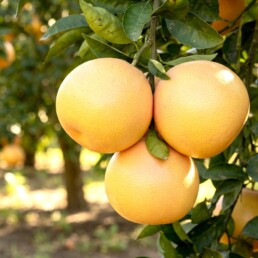
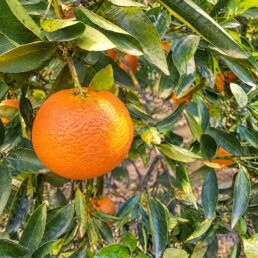
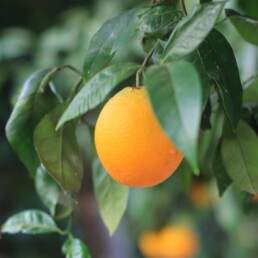
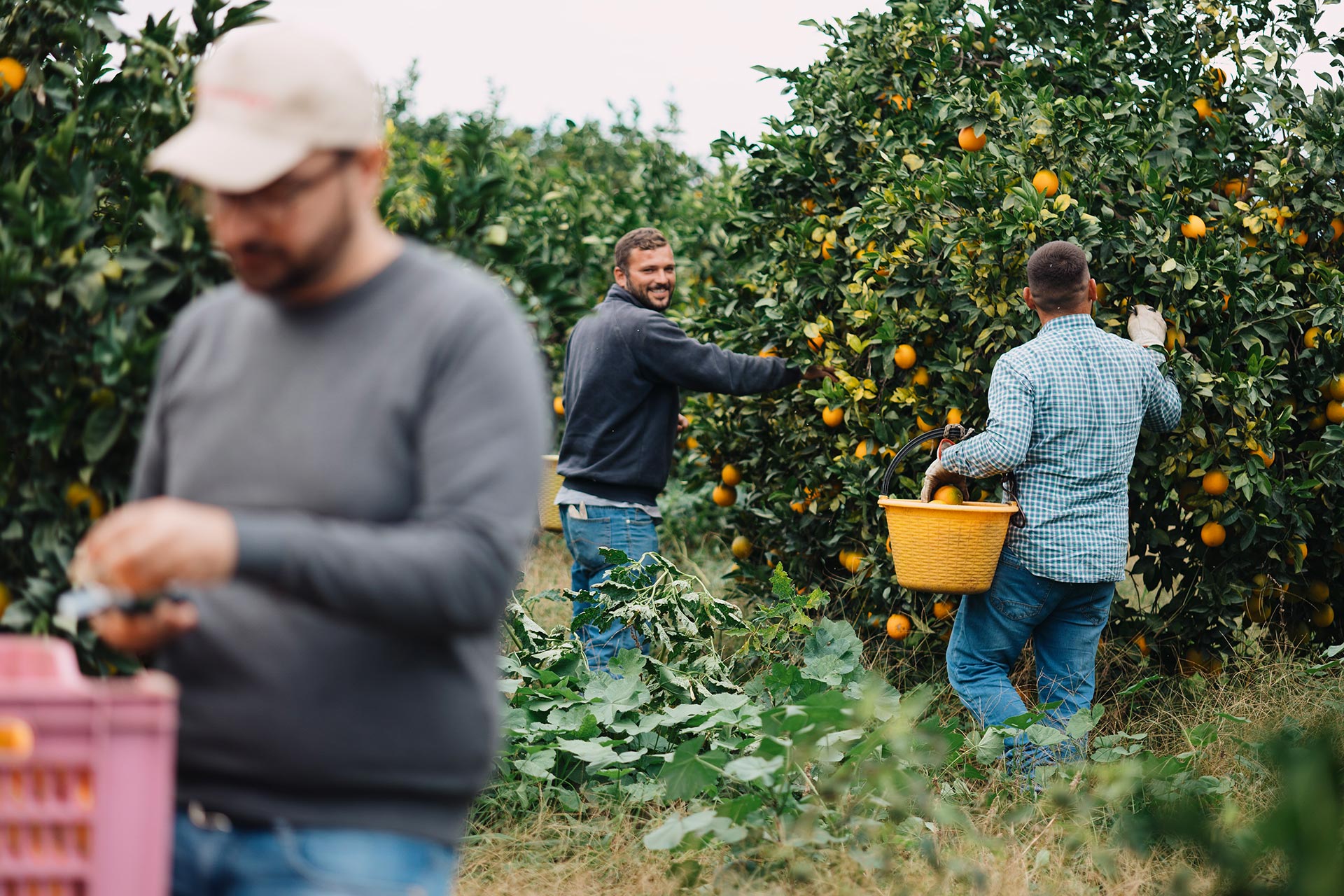
We harvest our organic blonde oranges from autumn to summer, constantly selecting the cultivated varieties to achieve maximum quality, and continuously testing flavor, sweetness, and juiciness.
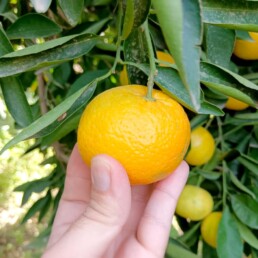
The oranges are hand-picked, selecting fruits at the ideal stage of ripeness. This is followed by sorting, washing, sizing, and packaging in suitable crates or net bags.
The entire process is designed to preserve the fruit’s natural freshness and ensure maximum quality all the way to the final consumer.




Certifications






Cardboard Box
6 - 8 - 10 - 15 - 17 kg

Wooden Crate
6 - 7 - 10 - 12 - 15 kg

Plastic Crate
6 - 7 -10 -12 - 15 kg

Girsac (Net Bag with Film Band)
1 - 1,5 kg

Net Bag
0,5 - 0,75 - 1 - 1,5 kg
Nutricional properties
Blonde oranges are low-energy fruits, rich in water and simple sugars (glucose, fructose, and sucrose).
- Energy: 34 kcal
- Carbohydrates: 8.5 g
- Protein: 0.9 g
- Fat: 0.2 g
They are an excellent source of vitamin C, flavonoids, folic acid, and soluble fibers (especially pectins), as well as mineral salts such as potassium, calcium, and magnesium.
Health benefits
Thanks to their richness in vitamin C and natural antioxidants, blonde oranges play an important role in strengthening the immune system and protecting cells from oxidative stress. Fibers promote digestion and help reduce the absorption of cholesterol and sugars, proving useful in preventing metabolic disorders. Regular consumption of oranges supports cardiovascular health, helps maintain normal blood pressure, and contributes to body hydration. Their high folic acid content makes them particularly suitable during pregnancy.
Recommended daily dose: 2–3 fruits per day in a balanced diet.
Main bioactive compounds
- Flavonoids (hesperidin, narirutin, diosmin), responsible for vasoprotective and anti-inflammatory properties;
- Carotenoidi (β-criptoxantina, luteina, zeaxantina), che conferiscono colore e svolgono attività antiossidante;
- Phenolic acids (ferulic acid, caffeic acid), involved in reducing oxidative stress;
- Peel essential oils, rich in limonene and terpenes, also used in the food and herbal industries.
Serving suggestions and recipes
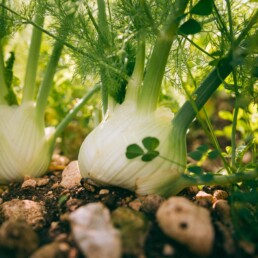
In the kitchen they can be used in citrus salads, desserts, and aromatic sauces. A traditional use is fresh-squeezed juice, rich in vitamin C and ideal as a natural supplement, in baked goods such as cakes, creams, and jams, or as an aromatic base for fish or white meat dishes. A typical Sicilian recipe is orange salad, prepared with sliced oranges, crunchy fennel, black olives, a drizzle of extra virgin olive oil, and black pepper.